
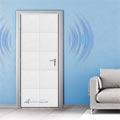
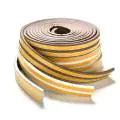
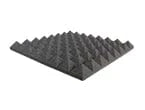

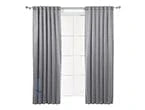



When people think about soundproofing a room, they usually focus on the obvious upgrades.
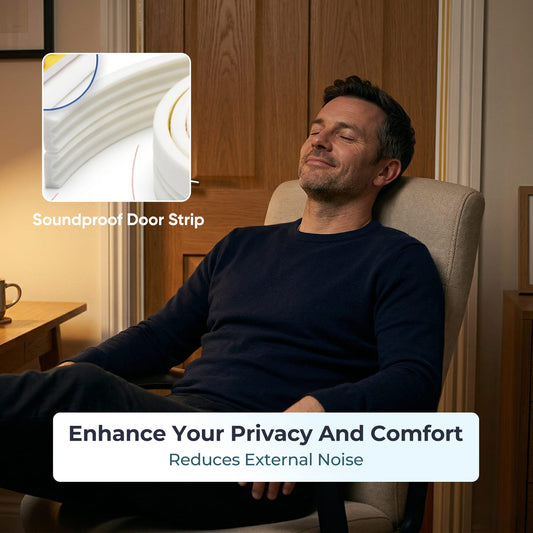
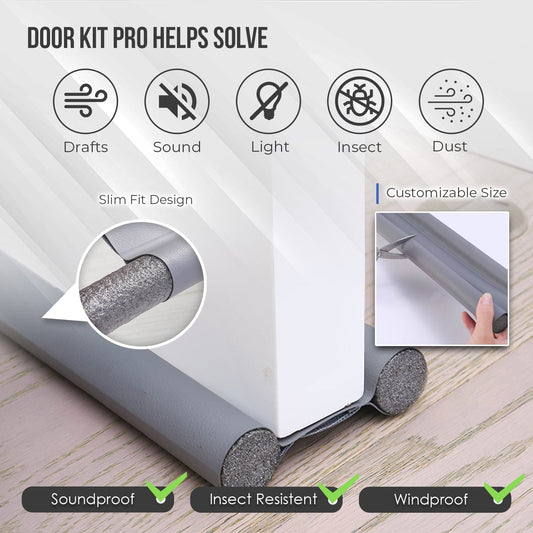
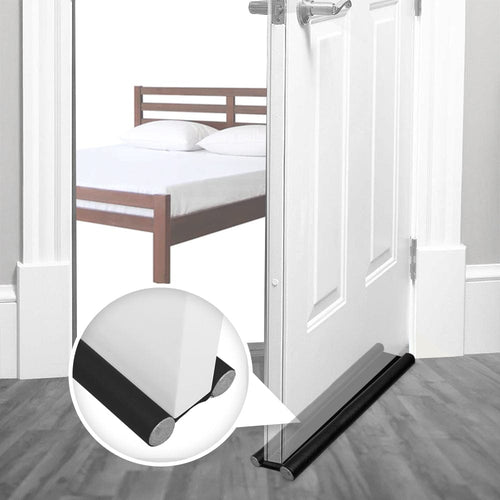
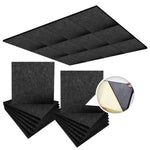
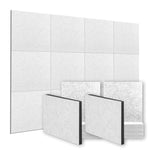
Acoustic panels. Insulation. Door seals. Soundproof curtains.
But even after investing in all of these solutions, some rooms still leak noise.
The reason is often hidden behind the walls.
Why Some Soundproof Rooms Still Have Noise Problems
A properly treated wall can significantly reduce sound transmission between rooms.
However, there are small areas within the wall that can become weak points for sound leakage.
One of the most overlooked examples is the electrical box.
These include:
• power outlets
• light switches
• junction boxes
• cable access points
While they may seem insignificant, these openings can create paths for sound to travel through the wall assembly.
As a result, unwanted noise may still pass between rooms even when the surrounding wall has been treated.
The Hidden Weak Point: Electrical Outlets

Most electrical boxes are installed directly into drywall, creating a small interruption in the wall structure.
Without proper sealing, these areas can allow:
• conversations from adjacent rooms
• TV and music noise
• office activity
• household sounds
to pass through more easily.
This is especially noticeable in:
• home studios
• podcast rooms
• home offices
• meeting rooms
• apartment walls
where privacy and noise control are important.
How Acoustic Putty Pads Help

Acoustic putty pads are designed to seal the back and sides of electrical boxes.
Instead of leaving the box exposed within the wall cavity, the putty material helps create an additional sound barrier around the opening.
Benefits include:
• reducing sound leakage through outlet boxes
• improving overall wall sound isolation
• helping maintain the performance of soundproof wall systems
• easy integration into new or existing projects
Because the material remains flexible, it can conform to different electrical box shapes and installations.
Small Detail, Big Difference
Many soundproofing projects focus on large surfaces while overlooking smaller openings.
Yet professional soundproofing systems often pay close attention to these details because even minor gaps can impact overall performance.
Think of it this way:
A wall may be heavily insulated, but if sound finds an easier path through an outlet box, some of that investment may not perform as expected.
Addressing these weak points helps create a more complete soundproofing solution.
Where Acoustic Putty Pads Are Most Useful

Acoustic putty pads are commonly used in:
• home theaters
• recording studios
• podcast rooms
• office partitions
• conference rooms
• apartment renovations
They are particularly beneficial when walls are designed to reduce noise transmission between neighboring spaces.
Complete Your Soundproofing System
Effective soundproofing is often about the details.
While acoustic panels, insulation, and door seals all play an important role, smaller elements such as outlet boxes can also affect the final result.
By treating these overlooked areas, it becomes easier to create a quieter and more controlled environment.
A Smarter Way to Reduce Hidden Noise Leaks
If you're building a home studio, upgrading an office, or improving privacy between rooms, don't overlook the areas hidden behind your walls.
The Arrowzoom Acoustic Putty Pads for Electrical Boxes provide a simple solution for sealing one of the most common weak points in soundproof construction.
Sometimes, the biggest soundproofing improvements come from the places you never see.
Explore the Arrowzoom Acoustic Putty Pads for Electrical Boxes and discover how small upgrades can help create a more complete soundproofing solution.